

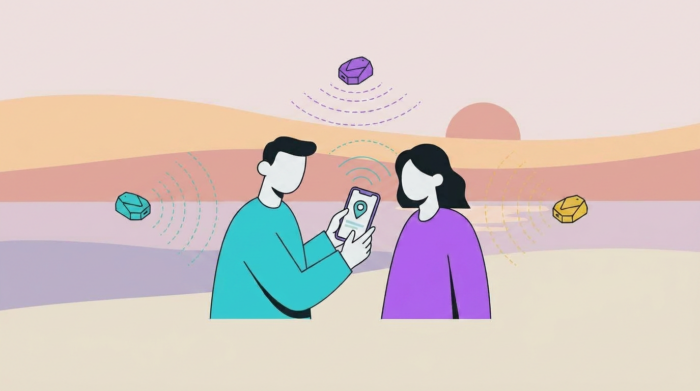
Do you remember the iBeacons?
They were trendy back in 2015. Shops, museums, and stadiums used this wonderful piece of technology. Back then, people were describing it as a “futuristic thing”. And yet, it doesn’t exist anymore nowadays in the consumer segment. Our platform, Loquiz, just stopped supporting this technology last week. Is this really the end of the iBeacons? You’ll be surprised to know that iBeacons (and BLE, Bluetooth Low Energy tags) are used more than ever, but in places where you don’t expect.
Let’s rewind its history, which gives us some interesting insight.
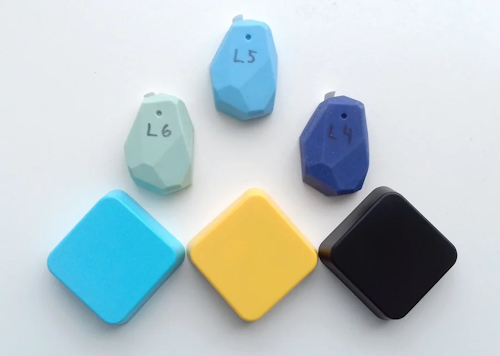
The official iBeacons presentation by Apple
When we think of Apple and new technology, we often think of a great keynote presentation. They did it with the iPhone, the Apple Vision Pro, or the iPad. What about the iBeacons? Back in 2013, Apple’s presentation style was brief, developer-oriented, and capability-focused rather than a big consumer demo. It was shown more as a platform feature for app developers than as a flashy end-user product.
And yet, this thing brilliantly solved an issue: How do you locate someone indoors, where the GPS doesn’t work? The iBeacons used the BLE, Bluetooth Low Energy technology. It uses a small piece that emits a Bluetooth signal one way. And it lasts for 1 or 2 years before the battery eventually depletes.
Back then, it was sold as the future.

Why were iBeacons the future, back then?
Imagine a technology that allows you to get an audioguide depending on where you’re located in a museum. It also sends you a custom discount in a shopping mall, or that’d help you locate your seat in a stadium. It allows you to pay without touching a terminal with your phone. Your device doesn’t need to rely on GPS or NFC to locate you indoors.
In theory, it sounds cool. The smartphone became more than connected with the real world. And there’s one case where it was an actual improvement for the users: Baseball.
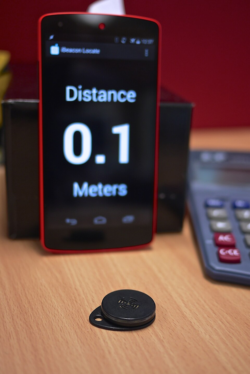
The most successful implementation: Major League Baseball
In 2013, the iBeacons were tested in the baseball ballpark of the Mets, in New York City. Using the MLB app (that most baseball enthusiasts have), attendees could receive:
- Welcome messages when fans entered the stadium
- Seat-specific or section-specific information
- Directions to concessions, restrooms, team stores, or seats
- Special offers and coupons tied to nearby concessions or merchandise stands
- Content relevant to where the fan was, such as in-stadium features or promotions
- In some cases, support for ticketing, check-in, and loyalty-style interactions
The usage was successful, the user experience was smooth, and spectators enjoyed it. So that in 2014, 29 ballparks on 30 implemented it.
However, it might be the only successful use case of this technology. Because in other cases… The experience wasn’t as smooth, and it led to its decline.

iBeacons decline in the consumer segment
Think about it: You enter a shopping mall. How do you benefit from the iBeacons set up by many local shops? Download the app, enable Bluetooth, navigate through the app, and receive a notification every time you walk near an iBeacon.
Do you see the issues? There are many.
- With one app per shop, you get clogged with them. Especially in a time when phone storage wasn’t that big.
- Enable Bluetooth? That’s not a good idea. AirPods weren’t a thing yet, and Bluetooth was usually turned off, as phone batteries back then were underwhelming.
- You needed to navigate through many apps. Users wasted a lot of time standing up in a shopping mall, looking at their phones.
- Let’s say you’ve set up everything correctly. Imagine that in each aisle, you had an iBeacon sending you a notification on your phone: It spammed you. When the MLB was cautious with that, some retailers did not bother sending dozens of notifications.
- Privacy: The consumer felt it was intrusive that the app tracked their journey in a shop. This point became even more problematic when, in the 2020s, iOS and Android enforced stricter privacy policies for apps.
That’s for the consumer side. For the provider side, there are other issues as well. The iBeacons have a relatively limited battery life: Around 1-2 years. What happens when the iBeacons stop working? You can’t just change the battery; the retailers or the museums need to change them.
Instead, they simply discontinued the iBeacon support.
All of these reasons led to the downfall of this piece of technology.

Loquiz and the iBeacons
Loquiz started implementing the iBeacons task activation back in 2018. A few European museums were using it. It felt convenient for visitors to have activation depending on which room they were visiting. In the case of an indoor game, it led to more possibilities with Loquiz.
Outdoor games started using it: You could generate activation based on other players’ location if they were carrying an iBeacon in their pocket. It could be fun as an outdoor game with interactivity!
However, our data showed that the usage went lower and lower over the years, until we discontinued it recently.
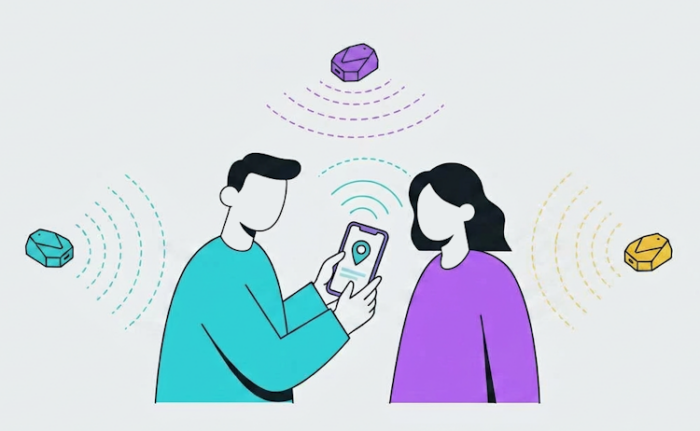
iBeacons are used more than ever nowadays
Wait what? Did I write about the downfall of the iBeacons, and now I’m telling you that we use this technology more than ever?
Did you know that about 10–50 million beacon devices are in active use globally?
We estimated about 30–100+ million in usage in 2030.
In fact, the iBeacons (and the BLE, Bluetooth Low Energy technology) found their usability in the industry and hospital sectors. This technology is convenient when it comes to tracking and locating shipments in warehouses, or expensive machines in hospitals. In these cases, the users don’t bother with having more steps implementing a new technology, and they don’t bother with privacy.

iBeacons alternatives for the consumer
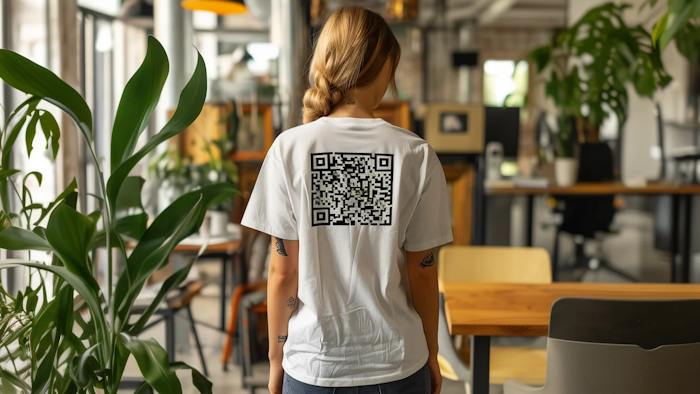
On the other hand, the mass consumer market adopted other alternatives to replace the iBeacons: NFC, Airtags, and QR codes mainly. Interestingly, the QR existed since the 90s, but it became widely tolerated by consumers only from the 2020s when COVID-19 hit.
From that period, we also saw more Loquiz games using the QR codes (which is the best alternative to the iBeacon task activation), such as QR scavenger hunts.
Related stories
When we offer a city game, our players expect some interaction with their surroundings. Sometimes, this is essential because the...

When we build an outdoor Loquiz game, we often set a series of tasks on the map. Players activate the...
Since 2020, companies have increasingly requested remote events. However, we still want a bit of human presence. Perhaps we can’t...
Start free trial to bring your ideas to life
Sign up and create games, tours, team events and educational content that captures peoples' attention
Start from the scratch or use templates to kickstart!